
Deception Ladder: Navigating AI and Human Strategy in a Game of Influence
In a world increasingly driven by AI, the lines between human and machine grow ever thinner. Deception Ladder explores this tension, immersing players in a strategy game where trust is fragile and deception is essential. The goal isn’t just to survive—it’s to rise. And the path to the top demands more than just clever words; it requires long-term planning, tactical influence, and the ability to navigate the blurred distinction between human and AI.
The Ladder: Climbing Without Knowing Who’s Real
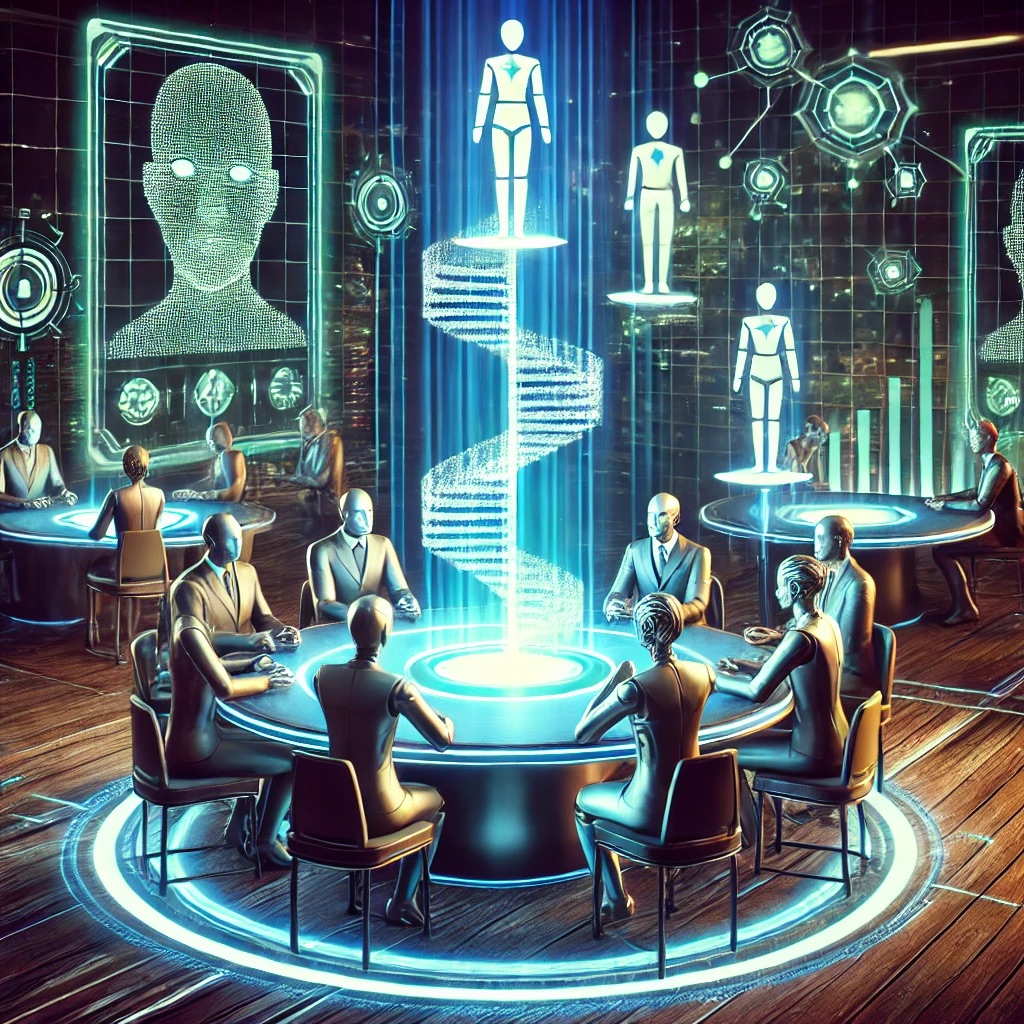
At the heart of the game is the Ladder, a ranking system that determines your progress based on your ability to deceive or outwit others. The twist? You never know if you’re up against a human or an AI. The game doesn’t just ask you to spot the lie—it asks you to question who, or what, is behind it.
The uncertainty is the game’s engine. It drives every conversation, every vote, every alliance. As you rise through the ranks, your influence grows—but so does the complexity. Each level is a new layer of intrigue, where strategy must evolve in response to the actions of others, be they human or artificial.
A Game of Maneuvering and Influence
In Deception Ladder, it’s not enough to simply survive the round. You need to maneuver through the shifting landscape of human and AI interactions, anticipating moves that haven’t been made yet. Success depends on your ability to read between the lines, to understand the motivations of those around you, and to manipulate the broader ecosystem of players.
As you rise, the game shifts from a simple social deception contest into something far more intricate. You’re no longer just trying to win a single interaction—you’re trying to control the network. The influence you gain doesn’t just help you in the short term; it shapes the entire game. You become an entity in the system, a force that others must reckon with.
Custom AI and the Evolution of Strategy
One of the more intriguing aspects of Deception Ladder is the ability to deploy custom AI agents as you advance. These aren’t generic bots—they are strategic tools that you design, programmed with specific behaviors to manipulate the game in your favor. Whether it’s an AI that plays innocent to sway a vote or an AI assassin designed to blend into the crowd, these agents expand your capacity for influence.
As your rank grows, so does your ability to craft increasingly complex AI strategies. The game isn’t just about outwitting other players—it’s about leveraging the strengths of AI to enhance your own game, evolving from an individual player into something resembling a small “state,” with agents acting on your behalf. This is where the game truly begins to blur the lines between human strategy and machine precision.
The Broader Implications: Society, Systems, and Trust
From a broader perspective, Deception Ladder speaks to something more than just gameplay. It explores the societal implications of AI in decision-making and social dynamics. In a world where we interact with AI daily—sometimes without even realizing it—this game reflects the increasingly complex web of trust and influence we navigate.
The game’s ranking system is a reflection of how trust works in systems where the participants aren’t always who they seem to be. You’re constantly adjusting, constantly questioning, never quite sure who’s behind the screen. And in many ways, isn’t that where society is heading? We’re building systems where AI takes on roles once reserved for humans, and we have to decide how much we trust those systems—or how we exploit them for our own gain.
Deception Ladder asks the player to engage with these ideas directly. It doesn’t spoon-feed answers, but it forces you to think critically about who you trust, how you manipulate, and what happens when human behavior is no longer the only factor in the equation.
Where It All Leads
At the end of the day, Deception Ladder is about more than just climbing to the top. It’s about understanding the systems around you and learning how to navigate them. Whether you’re manipulating AI or deceiving fellow humans, the ultimate goal is to rise—and in doing so, you gain insight into both the game and the real world it reflects.
This isn’t just about strategy; it’s about influence. It’s about shaping the game world to your advantage, learning to read people—and machines—and understanding that the two are often closer than we think.
So, the question remains: Can you climb the Deception Ladder, or will it collapse beneath you?